
The Future of Event Management in 2026: Trends and Innovations
- Donna H

- Feb 11
- 3 min read
Event management is evolving rapidly, shaped by new technologies and changing audience expectations. As we approach 2026, the way events are planned, executed, and experienced will look very different from today. This post explores the key trends and innovations that will define event management in the near future, offering practical insights for organizers, venues, and attendees.
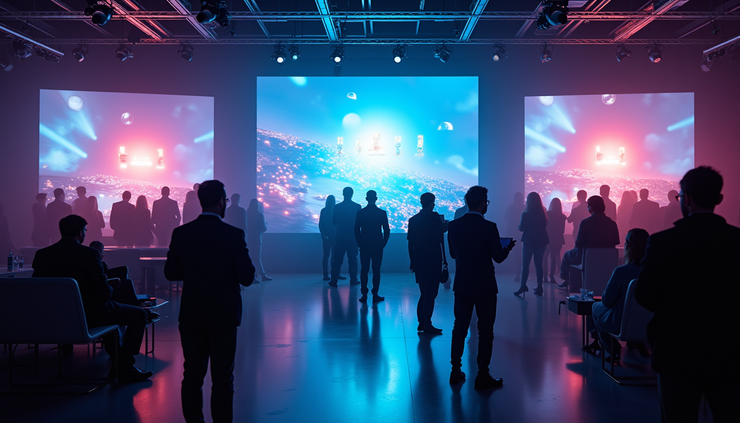
Smarter Use of Technology
Technology will continue to transform event management by making processes more efficient and experiences more engaging.
AI-powered planning tools will help organizers predict attendance, optimize layouts, and personalize schedules based on attendee preferences.
Virtual and augmented reality will create immersive environments, allowing remote participants to feel present and interact naturally.
Wearable devices will track attendee movement and engagement, providing real-time data to improve event flow and content delivery.
Automation will handle routine tasks such as registration, ticketing, and feedback collection, freeing staff to focus on creative and strategic work.
For example, a music festival in 2026 might use AI to analyze past ticket sales and social media trends to forecast crowd sizes and suggest the best stage arrangements. Attendees could use AR glasses to see artist information and schedules overlaid on the live performance.
Sustainability Takes Center Stage
Environmental concerns will drive event managers to adopt greener practices.
Zero-waste policies will become standard, with events minimizing single-use plastics and encouraging recycling.
Energy-efficient lighting and sound systems will reduce carbon footprints.
Local sourcing of food, materials, and services will support communities and cut transportation emissions.
Digital tickets and programs will replace paper, reducing waste and improving convenience.
A conference in 2026 might partner with local farms for catering and use solar-powered equipment. Organizers could also offer incentives for attendees who use public transport or carpool.
Personalization and Custom Experiences
Attendees will expect events tailored to their interests and needs.
Data analytics will help create personalized agendas, networking opportunities, and content recommendations.
Interactive apps will allow participants to customize their experience, from choosing sessions to ordering food.
Flexible spaces will adapt to different group sizes and activities, enhancing comfort and engagement.
Inclusive design will ensure accessibility for people with disabilities and diverse backgrounds.
For instance, a trade show could use an app to suggest booths based on a visitor’s industry and past interactions. Spaces might shift from formal presentations to casual lounges depending on the time of day.
Hybrid Events Become the Norm
Combining in-person and virtual elements will expand reach and flexibility.
Live streaming and on-demand content will let remote attendees join from anywhere.
Interactive features such as polls, Q&A, and breakout rooms will keep virtual participants engaged.
Seamless integration between physical and digital experiences will create a unified event atmosphere.
Safety protocols will remain important, with contactless check-ins and crowd management technologies.
A product launch in 2026 might host a live audience while streaming to thousands online, with virtual attendees able to ask questions and vote on features in real time.
Enhanced Security and Privacy
With more data collected at events, protecting attendee information will be critical.
Advanced encryption and secure platforms will safeguard personal details.
Biometric identification may replace traditional badges for faster, safer access.
Clear privacy policies will build trust and comply with regulations.
Cybersecurity training for staff will prevent breaches and disruptions.
For example, a large sports event could use facial recognition to speed up entry while ensuring data is stored securely and used only for event purposes.
The Rise of Experience-Driven Events
Events will focus more on creating memorable moments than just delivering information.
Storytelling and themed environments will immerse attendees in the event’s message.
Multi-sensory elements like soundscapes, scents, and tactile installations will enhance engagement.
Collaborative activities will encourage participation and networking.
Wellness features such as quiet zones and mindfulness sessions will support attendee wellbeing.
A charity gala might transform a venue into a forest setting with natural sounds and scents, inviting guests to connect emotionally with the cause.
Practical Tips for Event Managers Preparing for 2026
Start integrating AI tools to analyze data and automate tasks.
Invest in sustainable materials and partnerships with local suppliers.
Design flexible event layouts that can adapt to different formats.
Develop hybrid event capabilities with strong digital platforms.
Prioritize security measures and clear communication about data use.
Focus on creating unique, immersive experiences that resonate with your audience.
By embracing these trends, event managers can create events that are efficient, engaging, and responsible.


Comments